The only dental clinic in Albania holding this accreditation
A single implant and a full-arch rehabilitation are not the same intervention scaled up. One is a short procedure under local anaesthetic. The other can mean multiple extractions, bone grafting, six implants, a temporary prosthesis and several hours in the chair — a surgical session with a medical dimension.
A licence permits a facility to operate. Accreditation is an external assessment of how it operates — and the status is re-assessed rather than granted permanently.
What the licence obliges the structure to have
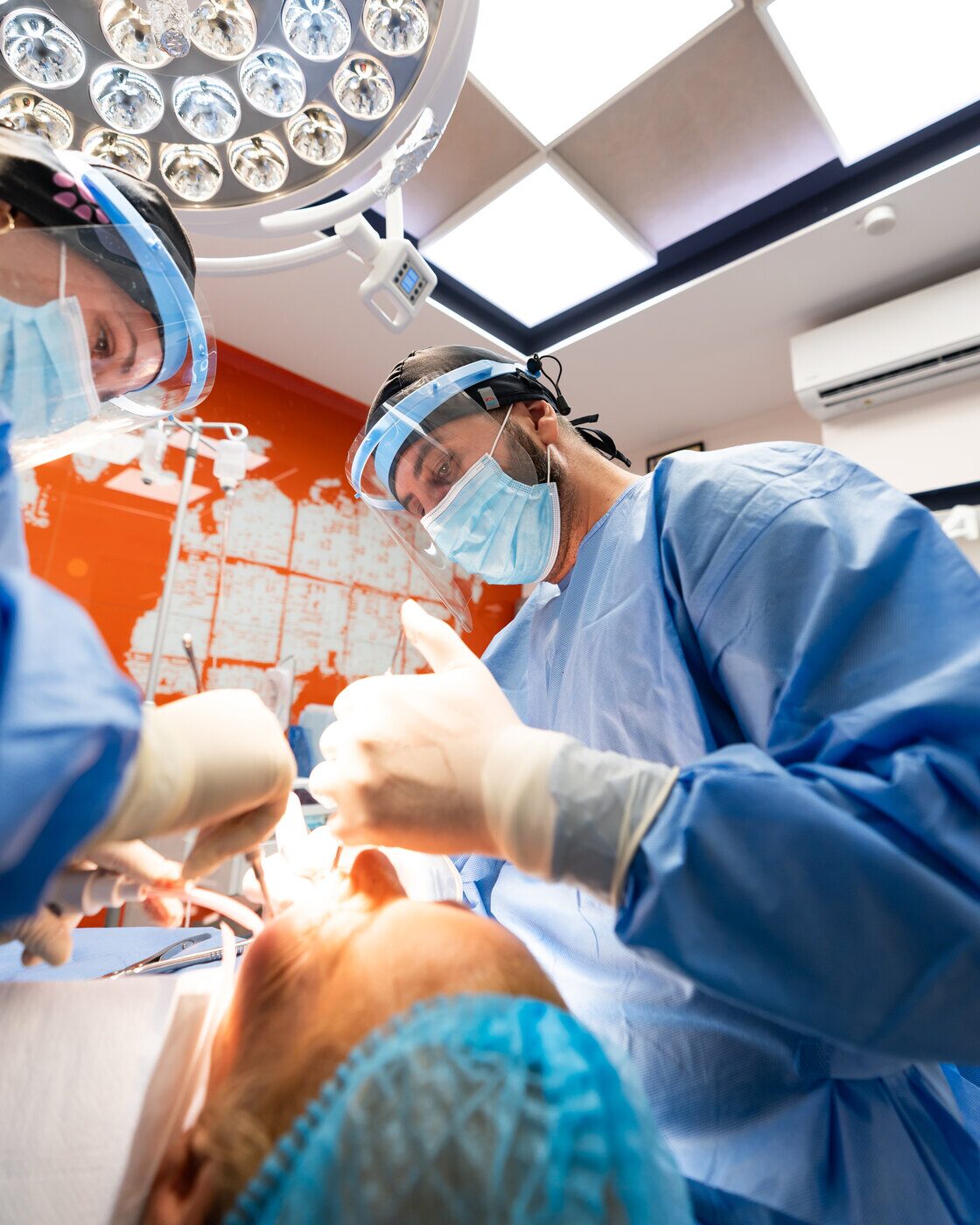
Most dental clinics — in Albania and across Europe — are licensed as outpatient dental practices. Brianza Dent is licensed as a Day Hospital: a category of health institution authorised to carry out interventions requiring sedation or general anaesthesia, to monitor patients during recovery, and to discharge them the same day under medical supervision.
-
An anaesthesiologist on the team
Sedation and general anaesthesia are administered and supervised by a specialist. This is what makes it possible to complete a long full-arch session in one sitting — and what makes it safe to.
-
A biochemical laboratory inside the structure
Coagulation, glycaemia and infection markers are known before an incision is made and can be re-checked afterwards without the patient leaving the building — decisive when the patient has a limited number of days in the country.
-
Monitored recovery
After hours of surgery, patients are observed in a dedicated area rather than sent out of the door when the procedure ends.
-
Emergency readiness
Adverse-event protocols that are documented and externally reviewed, not improvised.
-
Sterilisation audited externally
Instrument cycles documented as a hospital documents them, and reviewed by someone other than the clinic performing the treatment.
-
Traceability of materials
Implant systems, reference and lot numbers recorded. For a patient receiving six implants and a fixed arch, that record is what any dentist in the world will need years later.
Examined by a third party
- Clinical protocols — and whether they are actually followed and recorded
- Sterilisation and infection control
- Traceability of materials and devices
- Staff qualifications and continuing education
- Patient records and consent
- Equipment maintenance and calibration
- Management of adverse events
A patient flying in from Athens, Munich, London or Milan for a full-arch case cannot inspect a sterilisation room, read a staff training file, or verify where an implant came from. Accreditation is the mechanism that puts a third party in that role.
It does not promise a clinical outcome — no accreditation does. It means the conditions in which several hours of surgery are performed on you have been examined by someone other than the clinic selling the treatment.
Ask for the documentation before you book
Request the QK-CSA accreditation and Day Hospital licence documents together with your free assessment.
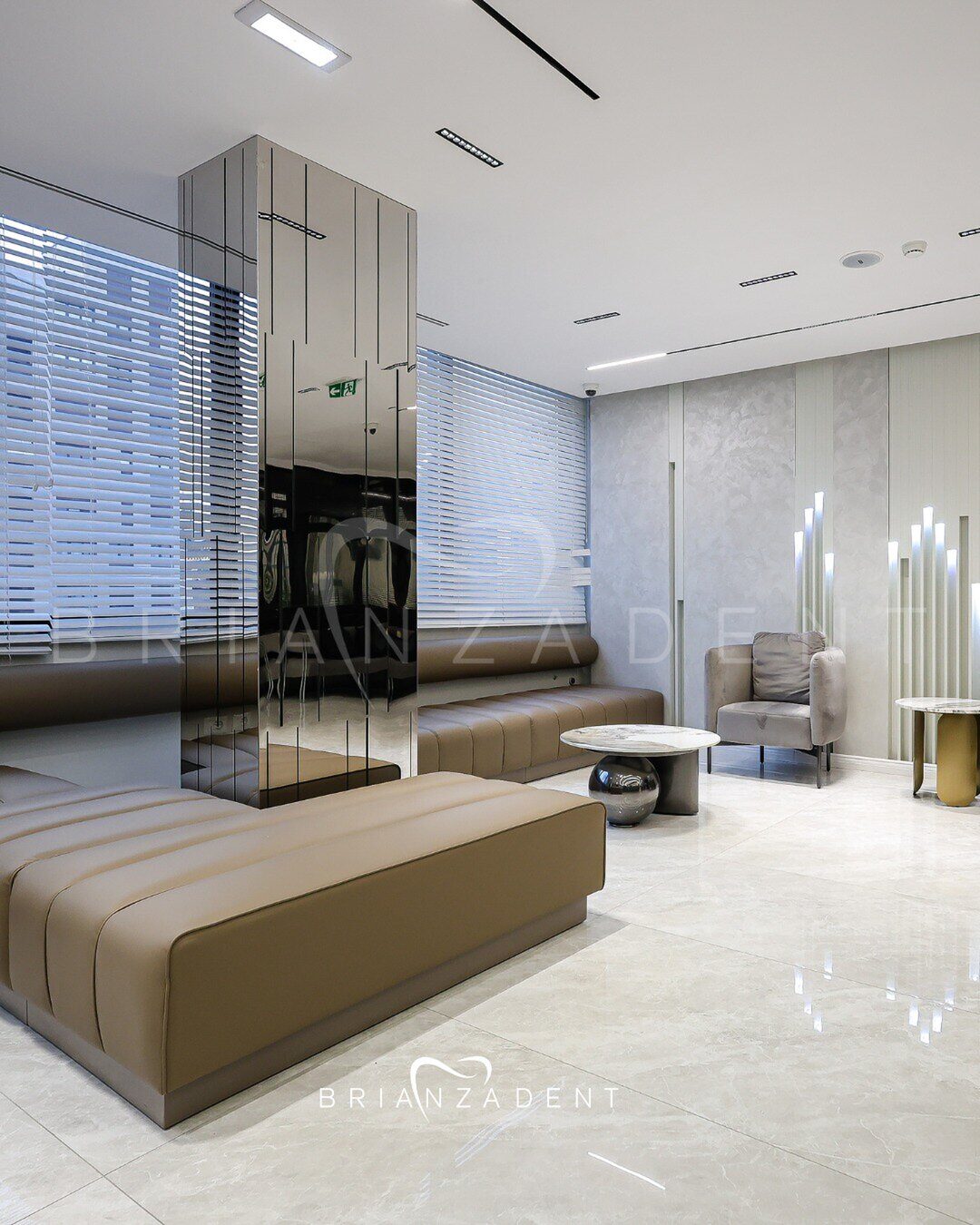
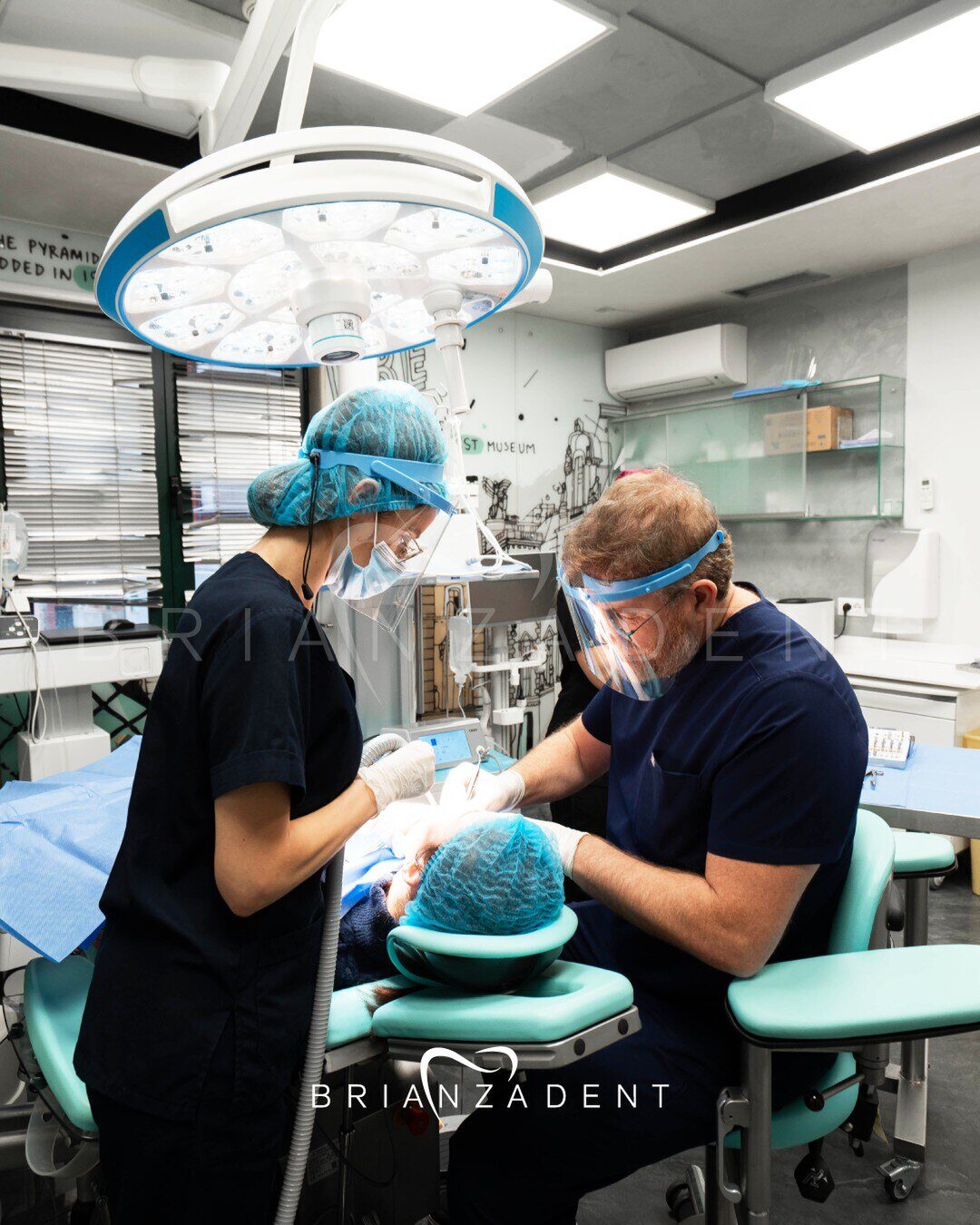
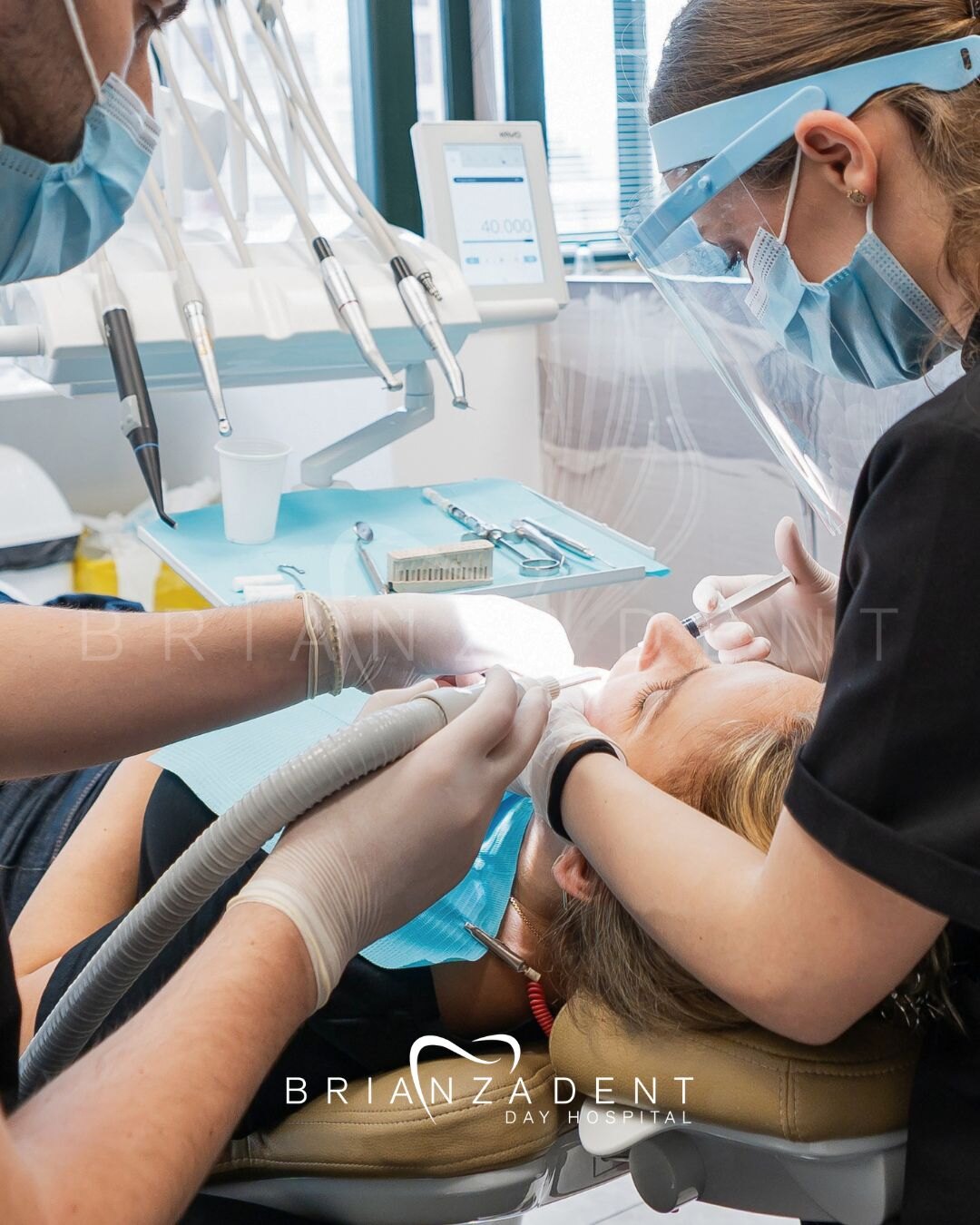
Where the surgery actually happens
Ask for the documentation together with your plan
Request the QK-CSA accreditation and Day Hospital licence documents, and a free written assessment of your imaging, from the surgical team.
- A panoramic X-ray — or a CBCT scan if you already have one
- Photographs of your smile, front and side
- A short description of your situation and medical history
No charge and no obligation for the initial review. Enquiries are handled in English, Italian, Greek and Spanish. Prefer to talk? +355 68 418 5084 · Message us on WhatsApp
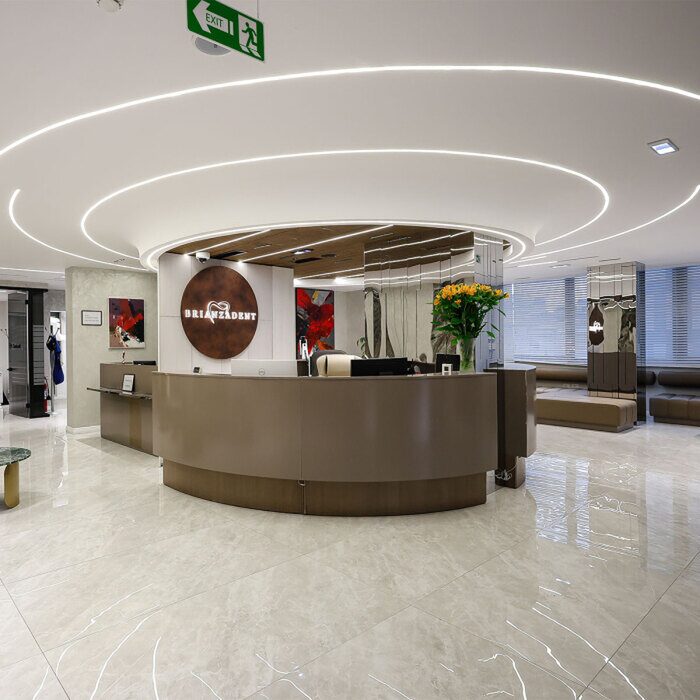
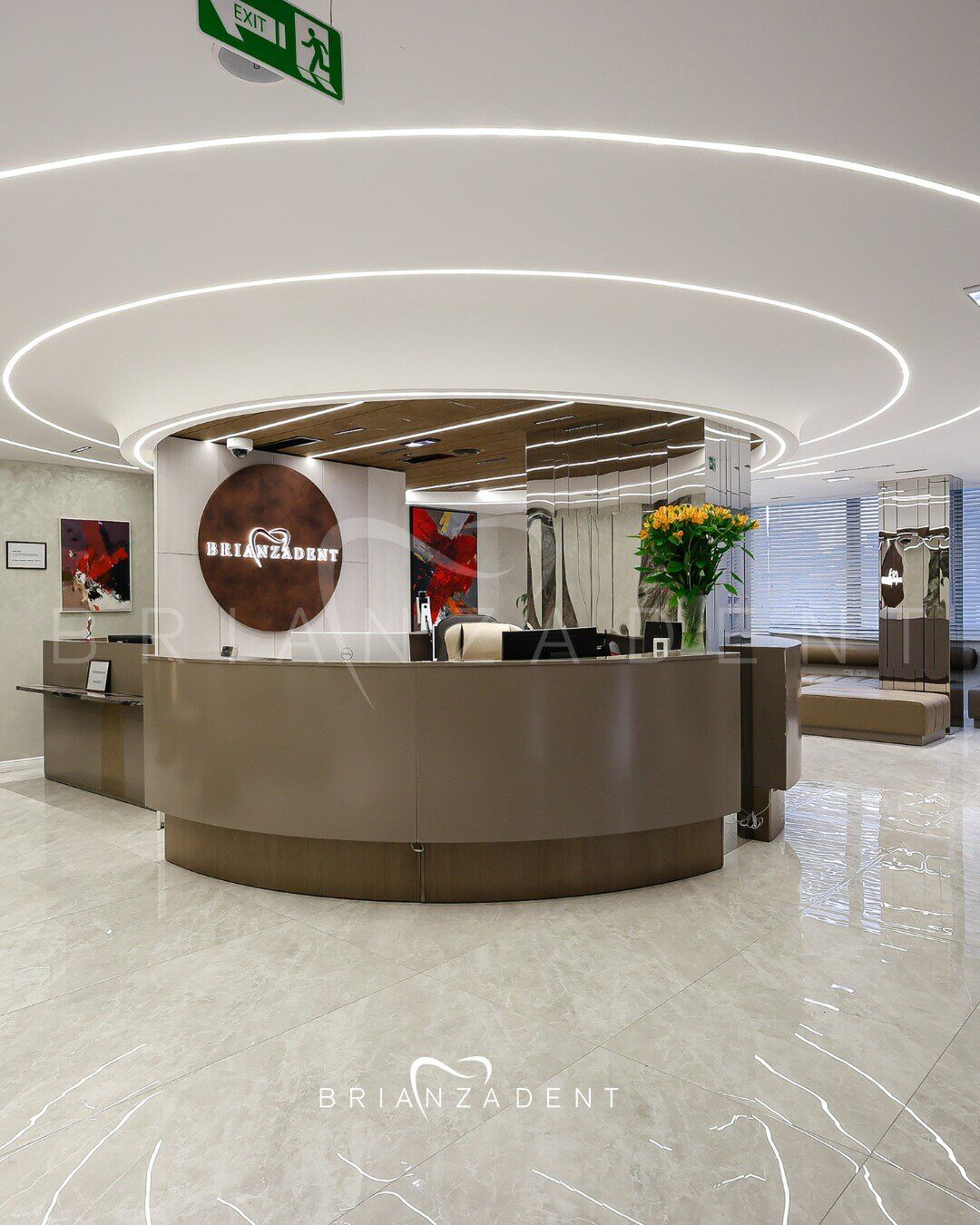
The surgery is performed here
This is why the Brianza sites serving Greece, Germany and the United Kingdom refer back to this structure: the treatment they describe is carried out in this accredited institution, by this team.
Questions about the setting
Why does a full-arch case need a Day Hospital rather than a normal dental clinic?
Because a full arch is not a single implant scaled up. It can mean multiple extractions, bone grafting, six implants and a temporary prosthesis in one session lasting several hours — a surgical intervention with a medical dimension. A Day Hospital licence obliges the structure to have an anaesthesiologist on the team, a biochemical laboratory inside the building, a monitored recovery area, documented emergency protocols, and externally audited sterilisation and traceability. An outpatient dental practice is not required to have any of those.
Who accredited the clinic, and what does the accreditation actually cover?
Brianza Dent is an accredited institution under QK-CSA, the National Centre for Quality, Safety and Accreditation of Health Institutions in Albania, and is the only dental clinic in the country holding this accreditation. The assessment covers clinical protocols and whether they are followed and recorded, sterilisation and infection control, traceability of materials and devices, staff qualifications and continuing education, patient records and consent, equipment maintenance, and management of adverse events. Ask us for the documents; ask every clinic you are comparing for the same.
Can the whole case be done in one session, under sedation?
Yes, and this is one of the practical consequences of the Day Hospital licence. Conscious sedation and, where indicated, general anaesthesia are administered and supervised by an anaesthesiologist, with monitoring during the procedure and in recovery afterwards. This is how extensive surgery is completed in one planned session rather than split across visits you would have to fly back for, and it is also how patients with severe dental anxiety or a strong gag reflex become treatable at all.
I have diabetes / a heart condition / I take blood thinners. Will you operate on me?
These conditions are assessed, not automatically excluded — but for surgery of this size they have to be assessed properly. Because the clinic has an anaesthesiologist and its own biochemical laboratory, your relevant markers are checked before surgery and can be re-checked afterwards without leaving the building, and we coordinate with your own physician where that is needed. You are told which protocol applies to you before you travel, not after you arrive.
Will I know which implants were placed in me?
Yes. Traceability of materials and devices is one of the things the accreditation requires us to document. You go home with a record of what was placed — system, reference and lot numbers — together with your surgical report, prosthetic records and imaging. That is exactly what any dentist anywhere in the world will need if your restoration ever has to be worked on.
Ask for the documentation before you book
Request the accreditation and Day Hospital licence documentation, and a free written assessment of your imaging, from the surgical team.